School Website Checklist: What Every School Should Review Before Inspection
School Website Checklist: What Every School Should Review Before Inspection

A clear and well-maintained school website helps parents, staff, governors and inspectors find the right information quickly. It acts as the public front door for your school, and it’s often where people decide whether they trust what you do.
It includes a complete school website compliance checklist, covering statutory requirements, Ofsted expectations and the latest statutory guidance from the Department for Education. It looks like a checklist at first glance, but it gives much more: practical explanations, examples and next steps.
We also run monthly School Website Compliance Workshops to help schools stay steady throughout the academic year. Our goal is to ease the stress associated with website compliance, and make it easy for you to keep up with new guidance.
Statutory Content to Review
Every school in England must publish information online in line with statutory requirements. This applies to maintained schools, academies, voluntary aided schools, voluntary controlled schools and foundation schools. Some content differs between primary schools and secondary schools, so your website should reflect the correct set of requirements for your category.
Schools must ensure their website content meets government standards and statutory requirements, as set out by the Department for Education.
Because regulations change, it’s helpful to review your website regularly to ensure you are maintaining school website compliance with current government regulations. Our recommendation is to carry out a full review at least once per year.
Policies
Schools must publish up-to-date versions of:
- Behaviour policy
- Complaints procedure
- Charging and remissions (in line with the law, such as the Education Act 1996)
- Safeguarding and child protection
- SEND Information Report
- Admission arrangements
- Equality objectives
- Data protection
- Pupil premium plan
- PE and sport premium (for primary schools)
- Careers guidance (for secondary schools)
- School uniforms policy
- Music development plan
- Curriculum development plan (if available)
If your school has 250 or more employees, you must also publish gender pay gap information. Schools may also collect and publish details about governor diversity if they choose to, consolidating this data for statutory reporting and transparency.
Make sure you publish information that is current, clear, and easy to open on mobile and desktop. For advice on keeping your policy pages tidy, see: Why school website policies don’t need to be dull
Governance Information
Your school website must present a full and transparent picture of leadership and governance. Include:
- Trustee or governor information
- Pecuniary interests
- Terms of office
- Governance structure
- Annual reports and accounts (for academy trusts)
Where relevant, schools may publish additional information about diversity or employee numbers if any statutory reporting applies. Changes in statutory requirements or government policy can force schools to update their governance information and reporting practices to remain compliant.
Curriculum
Curriculum content should be clear for every key stage. This includes subject overviews, long-term plans, reading schemes, phonics information and links to schemes of work. Where appropriate, you should also link to relevant government or local authority curriculum resources to ensure transparency and accessible information for parents and stakeholders. Families and inspectors should understand how education is delivered in each subject.
Guidance here: How to Showcase Your School Curriculum on Your Website.
Key curriculum information to publish online:
- Subject overviews
- Long-term plans
- Curriculum development information
- Reading schemes and phonics
- Links to external schemes and relevant government or local authority curriculum resources
- How the curriculum supports pupils with SEND
Safeguarding
Families look for safeguarding information early when exploring a school website. Make this section clear and easy to follow.
Include:
- DSL and deputy DSL details
- How parents can raise concerns
- Child protection procedures
- Links to local authority information
- Any specific information about how concerns are handled
Full guidance here: What safeguarding information should be on a school website?
SEND, Inclusion & Additional Information
SEND pages should feel welcoming and written in everyday language. Publish details about how your school supports pupils with additional needs.
Further reading: Special Educational Needs and Disabilities (SEND) – What to Publish on Your Website
SEND often connects with wider statutory requirements such as:
- Pupil premium
- PE and sport premium
- Equality objectives (linked to the public sector equality duty)
- Financial information (for trusts)
- Attainment or assessment data (where required)
User Experience, Accessibility & Presentation
A school website must be accurate, but it should also feel simple to use. Accessibility and presentation play a huge part in school website compliance.
Homepage
- Genuine photography
- Simple welcome message
- Clear next steps such as admissions, term dates, Ofsted reports and contact details
- No placeholder text
- No duplicated school name on images
Navigation
- Logical menu structure
- No broken links
- No empty pages
- Pages grouped in a way that makes sense for parents
Accessibility
- Readable on all devices
- Alt text on images
- Good colour contrast
- Logical headings
- PDFs that open properly
- Transcripts or HTML alternatives if any content isn’t accessible
More here:
School Website Accessibility – Understanding Exempt Content
https://www.schudio.com/school-website-accessibility-understanding-exempt-content/
If you are looking for ways to improve your school website’s visual appeal, Canva is far and away the best design app for schools.
Admissions Pages
Admissions pages form a key part of your school website checklist and your compliance checklist.
You must publish online:
- How to apply
- Key dates for the academic year
- Admission arrangements
- Oversubscription criteria
- Appeal arrangements, including how you organise and publish a timetable for admission appeals in line with statutory requirements
- Links to local authority admissions pages
- Contact details for queries
- Any foundation, voluntary aided, voluntary controlled or community school-specific information
Full breakdown: Admissions Arrangements & Your School Website
Short videos, simple online visit booking and quick enquiry forms can make a real difference to how families experience your admissions process. A short welcome video or a walk-through of the school helps parents get a feel for your environment before they even step through the door.
An online booking tool takes away the back-and-forth of arranging visits and lets families choose a time that works for them. And clear, easy forms give parents a straightforward way to ask questions or register interest without needing to call the office.
Compliance Monitoring & Support
School websites change throughout the academic year. Content can become outdated quickly, especially during busy terms.
Schudio supports schools through helpful features such as document groups using embed codes:
- Pro website audits
- Compliance assessment
- Content refresh and tidy-up services
- Community Classroom sessions
- Schudio Analytics
- MAT Portal for trust-wide compliance
- Monthly School Website Compliance Workshops
Carrying out regular audits helps identify gaps, support improvement and maintain school website compliance across the year. Don’t forget, we recommend a full audit at least once per year.
A Helpful Routine for Ongoing Maintenance
Monthly
- Review policy updates
- Add news or celebration posts
- Check key dates
- Run quick tests for broken links
Termly
- Curriculum review
- Safeguarding and SEND update
- Accessibility review
- Navigation check
- Update copies of assessment or attainment information if required
Annually
- Full policy refresh
- Update admission arrangements for entry in September
- Publish exam and assessment results for the previous academic year (if required for your school type)
- Review and update curriculum development information
- Publish details relating to pupils’ progress or premium spending
- Refresh photography and homepage
- Plan next year’s website development
- Review any audit findings and make improvements
If you’d like a complete breakdown of everything your school needs to publish, the School Website Requirements Guide brings all of the statutory requirements together in one place. It includes the full school website compliance checklist, clear explanations, and practical examples to help you stay confident throughout the year. It’s the resource most schools use to stay organised and make updates without feeling overwhelmed.

Related Posts
Ian Richardson
February 14, 2026
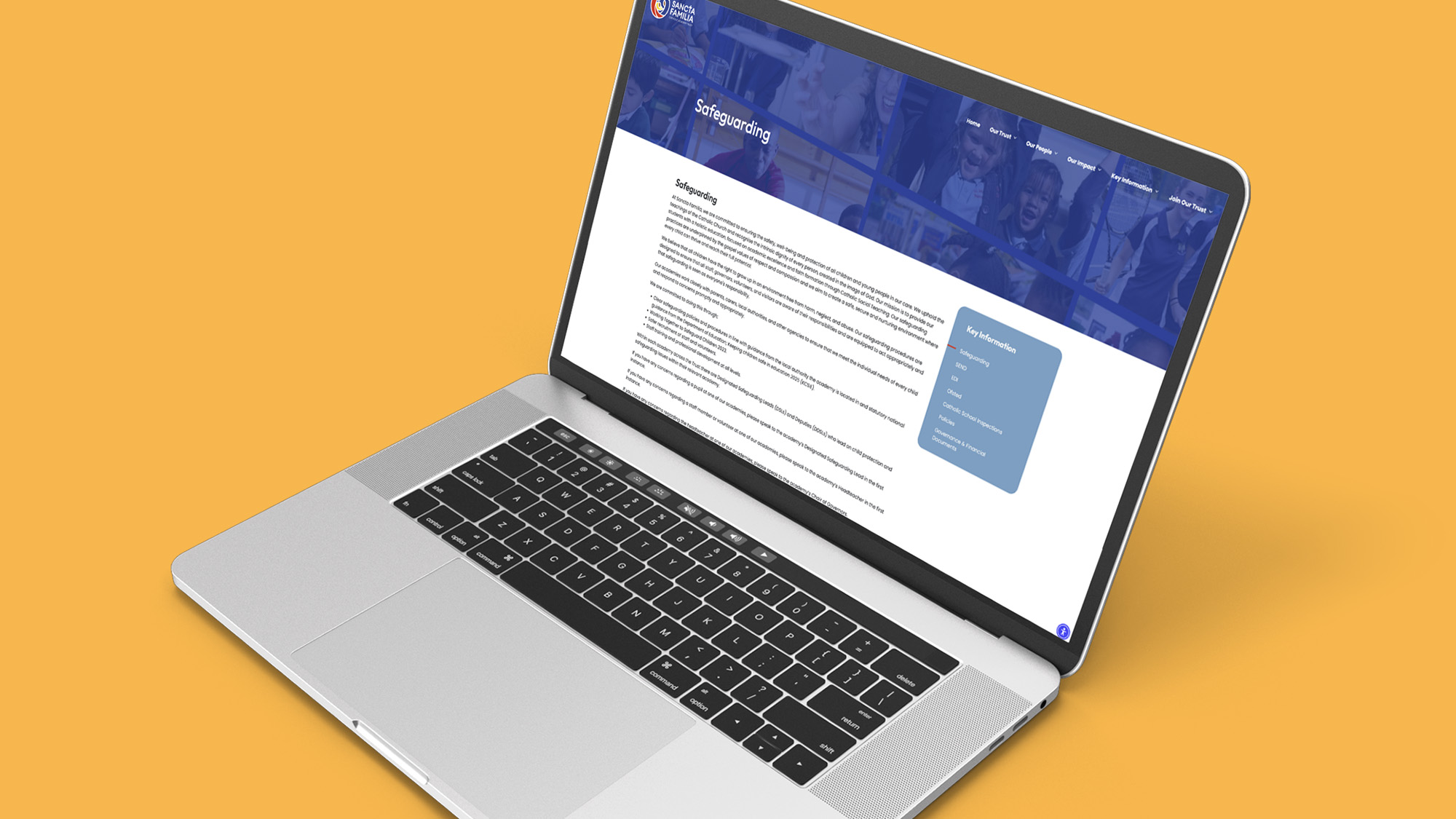
Safeguarding is always a limiting judgement. If safeguarding is judged ineffective, the overall judgement following ..
Ian Richardson
February 6, 2026
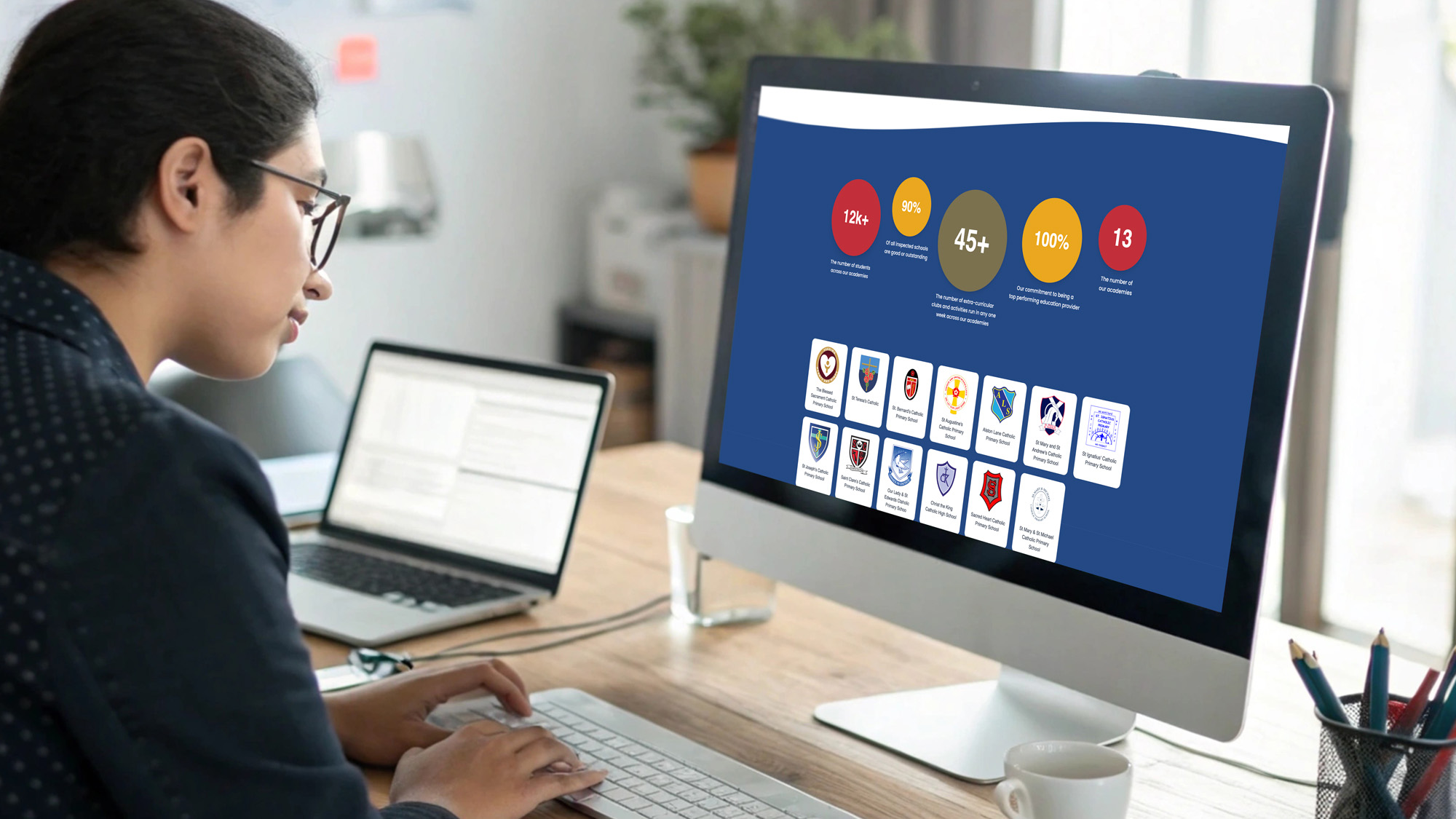
Multi Academy Trust Inspections: What’s Changing and What It Means for Trust Leadership and Websites
Multi academy trust inspections mark a significant shift in how academy trusts are viewed within ..
Ian Richardson
January 31, 2026
As of November 2025, inspections in England follow the updated Ofsted Inspection Framework 2025, bringing ..
Ian Richardson
January 5, 2026
Every academy trust must publish its academy trust annual reports and accounts on its website. ..

Ian Richardson
November 23, 2025
Families looking for a new school for their children often visit a school website long ..
Ian Richardson
November 11, 2025
When preparing for an Ofsted inspection, many schools use a detailed Ofsted checklist to stay ..