What Inspectors Look for in Your Safeguarding Web Content
What Inspectors Look for in Your Safeguarding Web Content
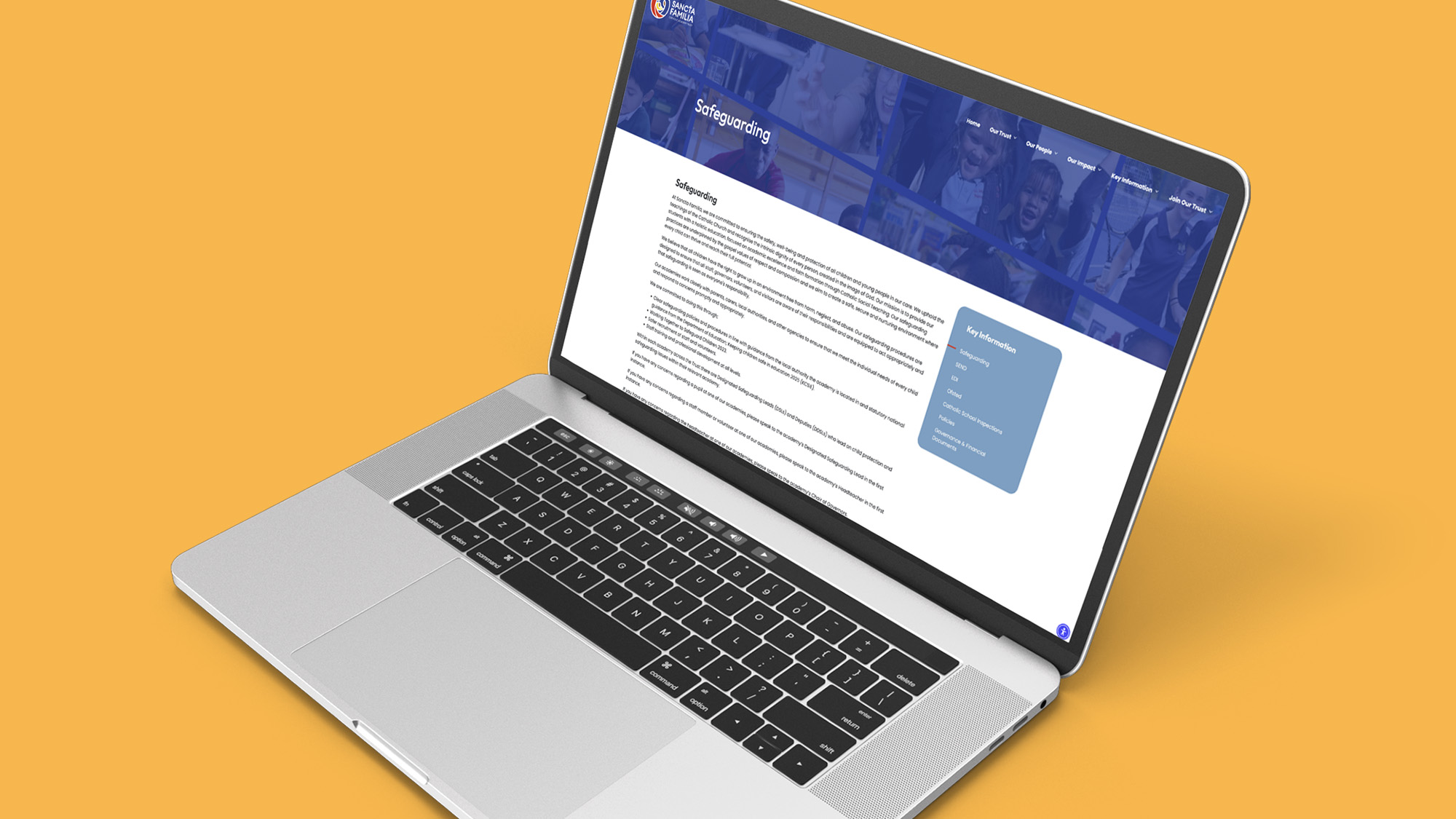
Safeguarding is always a limiting judgement.
If safeguarding is judged ineffective, the overall judgement following an Ofsted inspection is likely to be affected — regardless of strengths elsewhere. That is why safeguarding web content is far more than a compliance exercise. It forms part of the evidence inspectors gather before, during, and after inspection visits.
In this guide, we look specifically at what inspectors look for in your safeguarding web content, how that connects to inspection activity, and how your school website can either strengthen or weaken leadership credibility before inspectors even arrive.
If you are looking for a statutory checklist of required documents, read our companion guide on what safeguarding information must be published. This article focuses on inspection behaviour and leadership signals.
Safeguarding Begins Before the Inspection Visit
Ofsted inspectors evaluate a school’s ability to safeguard pupils through a combination of pre-prepared information and inspection visits. In most cases, schools in England are inspected every four years, unless they are part of monitoring programmes or have safeguarding concerns following a last inspection.
Before arriving on site, inspectors review documentation and publicly available information. Your school website is often one of the first places they look.
They may request specific safeguarding information in advance, but they will also independently assess:
- Published child protection policies
- Named safeguarding leads
- Contact details
- Online safety provision
- Supporting policies
- Evidence of a whole school approach
This early review shapes expectations. If safeguarding content appears neglected, incomplete, or inconsistent, inspectors may arrive with questions already forming.
Inspecting Safeguarding: What Is Being Assessed?
When inspecting safeguarding, inspectors are assessing effectiveness, not just compliance.
They gather evidence through:
- Website review
- Documentation review
- Meeting with the designated safeguarding lead
- Reviewing the single central record
- Observing pupils during the inspection
- Questionnaires from pupils, parents, and staff
- Informal discussions with governors and senior leaders
Inspectors judge safeguarding as effective or ineffective based on the totality of evidence gathered.
Your website contributes directly to that evidence base.
Is Your Child Protection Policy Current, Clear, and Compliant?
There is a legal requirement for schools and colleges to publish a child protection policy that complies with statutory guidance from the Department for Education.
Inspectors will check that your policy:
- References the most recent Keeping Children Safe in Education guidance
- Has been reviewed annually (or sooner if required)
- Is aligned with local safeguarding partners and the local authority
- Reflects current safeguarding procedures
- Is dated clearly
Out of date policies are one of the quickest red flags.
If your policy references outdated safeguarding arrangements or fails to reflect current guidance, it raises immediate concerns about leadership oversight.
Safeguarding policies should be reviewed regularly and read alongside other key documents, including online safety and safer recruitment policies. Inspectors expect evidence of active governance review, not a policy uploaded years ago and forgotten.
A current, clearly dated child protection policy signals discipline and attention to safeguarding.
Is Safeguarding Leadership Visible and Accountable?
Inspectors expect clarity around who is responsible.
Your website should clearly show:
- The designated safeguarding lead
- Deputy DSLs
- The safeguarding governor
- Clear contact details
- Escalation routes
The role of the designated safeguarding lead is central. Inspectors will meet with the DSL during the inspection to explore safeguarding culture, responding to safeguarding concerns, record-keeping, and training.
If the DSL’s name is difficult to find online, or buried in a PDF, it suggests safeguarding visibility may not be a leadership priority.
Key contacts — especially the DSL — should be accessible within one click from anywhere on the school website.
If concerns relate to allegations against staff, your website should reference the local authority designated officer (LADO), sometimes referred to as the designated officer within the local authority. Clear information about how concerns are escalated to the local authority demonstrates transparent procedures.
Can Safeguarding Concerns Be Reported Easily?
Inspectors will mentally test this question:
“If a parent, pupil, or other adult had safeguarding concerns right now, what would they do?”
Your safeguarding page should provide:
- Clear steps for raising concerns
- Named individuals
- Phone numbers and email addresses
- Out-of-hours guidance
- Whistleblowing procedures
- Links to children’s services and local authority contacts
Safeguarding information must be accessible within one click.
If reporting procedures are unclear, overly complex, or hidden within long policy documents, inspectors may question the school’s ability to respond effectively.
Safeguarding concerns should never require guesswork.
Does the Website Reflect a Whole School Approach?
Safeguarding is not just a policy. Inspectors look for evidence of a whole school approach.
That means safeguarding practices should extend beyond documentation and into culture, curriculum, and daily life.
Your website can demonstrate this by showing:
- A clear safeguarding statement
- Training arrangements for staff
- Prevent duty awareness
- Anti-bullying measures
- Mental health and well being provision
- Pastoral support systems
- Clear safeguarding procedures
Ofsted expects schools to have an open and positive culture around safeguarding that prioritises pupils’ interests. A strong safeguarding landing page reflects that culture publicly.
Inspectors will assess how well leaders, governors, and senior leaders create an environment where safeguarding concerns are taken seriously and acted upon.
Online Safety: A Major Inspection Focus
Online safety is a core part of safeguarding. Keeping children safe includes protecting them from potentially harmful and inappropriate online material.
Keeping Children Safe in Education makes clear that schools must have appropriate filtering and monitoring systems in place. Inspectors will explore how these systems work in practice and how they are reviewed.
Inspectors may ask:
-
Who is responsible for filtering and monitoring?
-
How often systems are reviewed
-
How alerts are managed
-
How concerns involving inappropriate online material are recorded and followed up
-
How pupils are taught to recognise online risks
-
How the school addresses risks such as sexual harassment, exploitation, or harmful contact online
Filtering systems should block illegal content, including child sexual abuse material and terrorist content, and manage categories of inappropriate content such as pornography, violence, and self-harm.
No filtering system is perfect. What inspectors look for is leadership oversight, regular review, and clear procedures for responding to concerns.
Online safety policies should be reviewed at least annually and reflected clearly on the school website.
Understanding Online Risks: Content, Contact, Conduct and Commerce
Many schools structure their online safety education around four key risk areas:
-
Content – exposure to inappropriate or harmful material
-
Contact – inappropriate communication from others
-
Conduct – behaviour online, including bullying or sharing harmful material
-
Commerce – risks linked to scams, gambling, or financial exploitation
While inspectors do not require a specific framework, they will explore how well pupils understand online risks and how effectively the school teaches online safety in an age appropriate way.
Inspectors may:
-
Speak to pupils about what they have learned
-
Ask how pupils report online concerns
-
Explore how incidents involving inappropriate online material are handled
-
Assess how the curriculum prepares children and young people for digital life
Ofsted expects schools to enable pupils to recognise online and offline risks to their safety and welfare. Clear curriculum coverage, staff training, and published online safety information on your website help demonstrate this.
Safer Recruitment and Staff Conduct
Safeguarding includes prevention.
Inspectors will review:
- Safer recruitment policies
- Allegations procedures
- Whistleblowing policies
- Staff conduct expectations
- The single central record
The single central record is reviewed to check compliance with minimum recording requirements. It is not typically published online, but website policy statements should reference safer recruitment processes.
Inspectors may ask about induction and training arrangements for new staff.
Effective practice involves regular training to ensure staff understand their responsibilities and are aware of safeguarding procedures.
Accessibility and Compliance
Safeguarding information must be accessible to everyone.
Your website must:
- Include alt text on images
- Provide captions on videos
- Be navigable by keyboard
- Use sufficient contrast ratios
- Be perceivable, operable, and understandable
Interactive elements must be usable via keyboard.
Sites must provide clear, visible, one-click access to safeguarding information and reporting mechanisms.
Automated and manual testing should be used to check accessibility.
GDPR and Data Protection Act 2018 compliance must be clear, particularly where reporting forms collect data.
If children can access your site, content must be tailored in an age appropriate way, with high privacy settings by default.
Trust-Level Oversight
For trusts and colleges, inspectors will assess organisation-level safeguarding governance.
They may review:
- Trust safeguarding strategy
- Alignment across school websites
- Evidence of review by governing bodies
- Consistency in child protection procedures
Different versions of safeguarding information across schools suggest governance weaknesses.
Consistency demonstrates leadership control and oversight.
Observations and Feedback
During inspections, inspectors will observe pupils and gather feedback through questionnaires and informal meetings.
They will assess:
- Whether pupils feel safe
- Whether pupils understand how to report concerns
- Whether parents know who to contact
- Whether staff understand safeguarding procedures
Your website supports this narrative.
If parents report they could not find safeguarding information easily, that weakens confidence.
If pupils say they know who the DSL is – and the website reflects the same — that strengthens leadership credibility.
Red Flags Inspectors Notice
Some issues immediately attract scrutiny:
- Out-of-date policies
- Missing contact details
- Broken links
- Conflicting information
- Generic template content
- No reference to the local authority designated officer
- No online safety detail
- Weak filtering oversight
- No evidence of review
These do not automatically result in ineffective safeguarding. But they prompt deeper inspection.
Safeguarding as a Vital Tool of Leadership
Your website is a vital tool in demonstrating safeguarding effectiveness.
It reflects:
- Leadership attention
- Governance review
- Responsiveness to risks
- Transparency with parents
- Commitment to protect children
Inspectors assess the school’s ability to manage safeguarding concerns and respond to potential risks. A well-structured safeguarding page strengthens that narrative.
Final Thoughts
Safeguarding is not static. It requires ongoing review, leadership focus, training, and cultural reinforcement.
Inspectors will assess whether safeguarding is effective based on evidence gathered before and during inspection.
Your safeguarding web content contributes directly to that evidence.
Make it:
- Clear
- Current
- Structured
- Accessible
- Transparent
- Consistent
Above all, ensure it genuinely reflects how your school works every day to keep children safe.