School Website For Parents: What They Actually Look For (And Why It’s Often Missing)
School Website For Parents: What They Actually Look For (And Why It’s Often Missing)
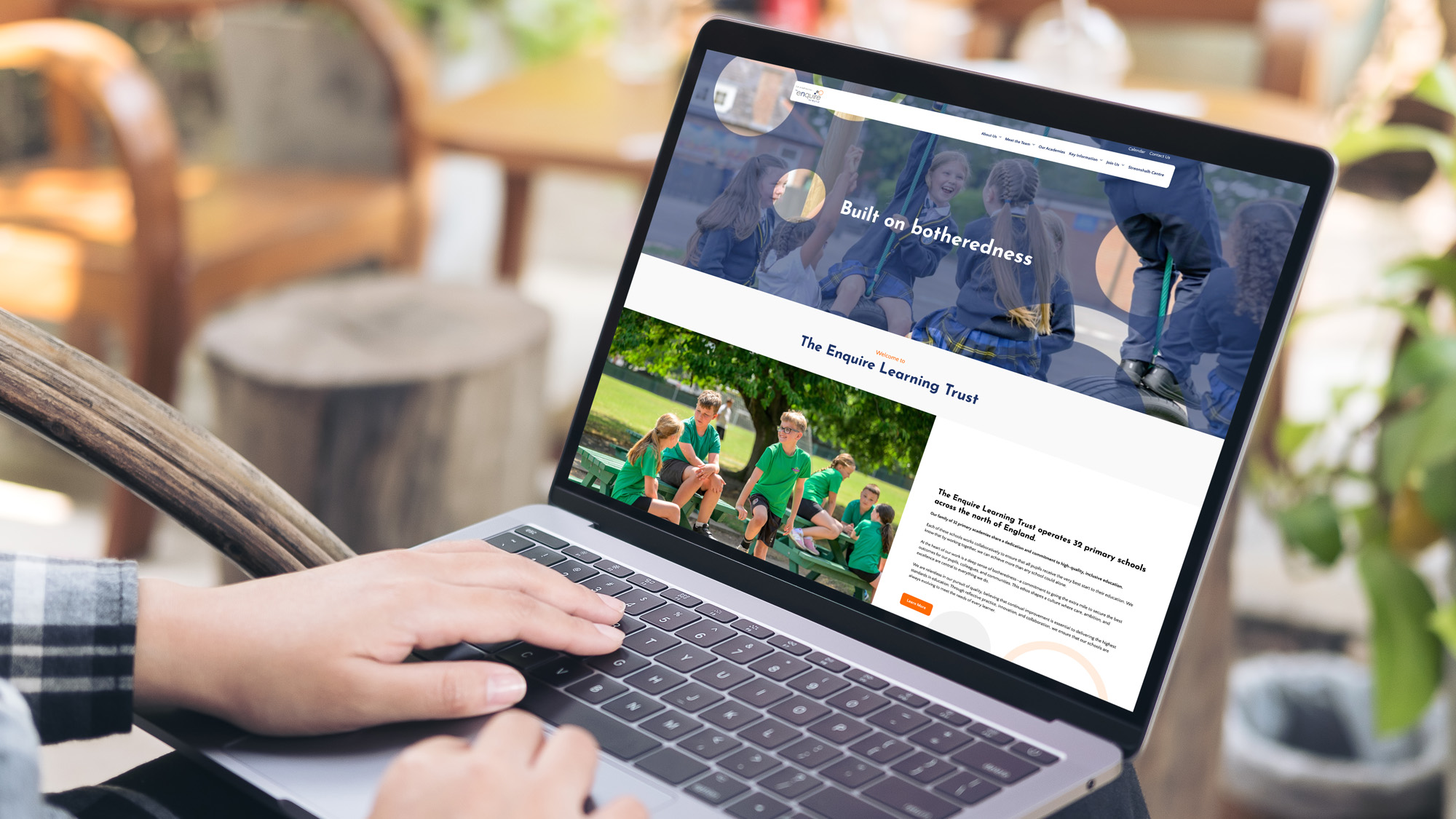
When parents visit a school website, they are not browsing.
They are trying to find something.
And usually, they want it quickly.
Over the past few months, through audits and conversations across the education system, one thing has become really clear.
There is a gap.
Schools feel their website is clear.
Parents often find themselves struggling.
And that gap makes a huge difference.
Parents Don’t Read. They Scan
This is the starting point for any school website for parents.
Parents don’t read every page.
They scan.
Often on a mobile phone. In between other things. Sometimes while juggling family life.
They are not exploring.
They are trying to solve something quickly.
They look for:
- clear headings
- simple links
- obvious next steps
If they cannot find what they need quickly, they move on, or they contact the school.
That is where the gap starts to appear.
What Parents Are Actually Looking For
Most parents arrive with a specific question.
They might be:
- comparing a primary or secondary school
- thinking about the next stage in their child’s education
- worried about something
- trying to understand how the school will support their child
Parents are also looking for ways to help their child learn both at home and at school, seeking resources and guidance to support learning beyond the classroom.
They are not exploring for interest.
They are solving something.
1. Clear, practical information
Parents expect to quickly access important information such as:
- term dates
- school attendance expectations
- behaviour policies
- contact details
- uniform guidance
This is basic.
But it is essential.
Clear information around attendance, absence and behaviour helps parents feel confident. It also helps avoid unnecessary phone calls and confusion.
If parents cannot find this information, they start to feel unsure.
2. Easy and reliable communication
Parents want simple ways to contact the school.
They want:
- clear contact routes
- fast responses
- trusted communication
This is where communicating effectively becomes critical.
Strong communication improves parental engagement and builds trust across the school community.
Many schools now combine their website with a school app.
A school app allows parents to:
- receive messages instantly
- access updates without calling the office
- submit forms quickly
- stay connected throughout the day
- update their details without calling the admin department
School apps improve communication between schools and parents, and communication has improved significantly in recent years because of this shift. These services leverage data from existing systems to facilitate communication and measure engagement, helping schools save money and improve parent engagement.
Messages can be targeted to specific groups, which makes communication more relevant. Messages can be targeted to specific years, groups, or individuals using school communication solutions.
School communication solutions can help save schools money by reducing printing costs.
Parents appreciate having one trusted platform for communication. Parents also appreciate having an official, trusted channel for communication endorsed by the school.
Parents can download an app onto their mobile device and access everything in one place. Parents can easily download school apps onto their smartphones and tablets.
That combination of school website and app creates a much smoother experience.
Parentapps enables schools to send secure messages and content directly to parents.
3. Access anytime, without friction
Parents expect to access information at any time.
They want to:
- download forms
- read letters
- check event information
- report absence
- access important details without waiting
Online forms for permissions, absence and payments reduce admin time and save parents time.
Parents can access everything without needing to contact the school or wait for office hours.
That kind of access makes a huge difference.
4. A real sense of school life
Parents want to understand what the school is actually like.
Not just what it says.
They want to see:
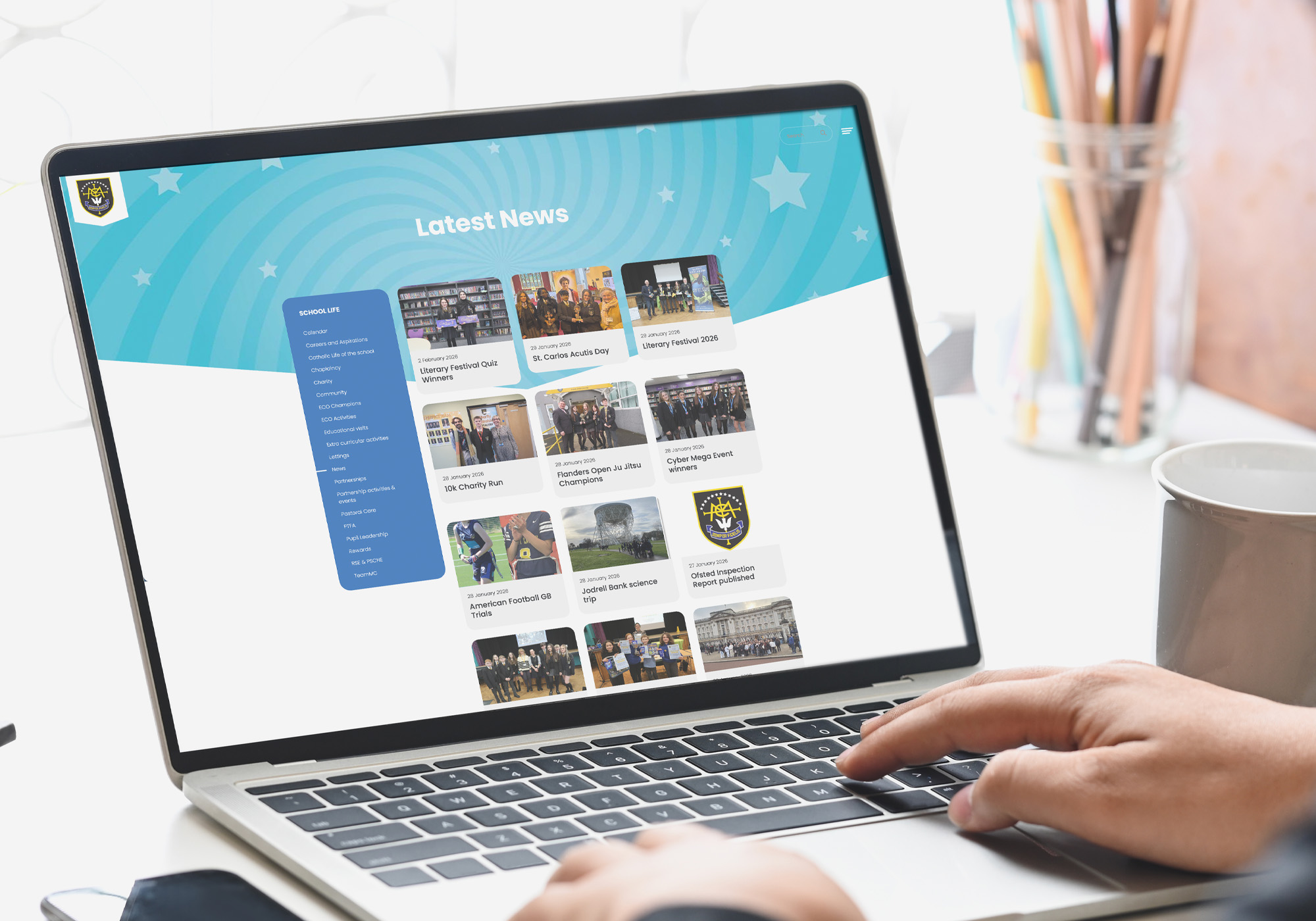
- news
- event updates
- photos and video
- real examples of school life
This is where a school website connects parents to their child’s learning.
It helps families feel part of the community.
Regularly updated content is essential.
If the website feels out of date, trust drops quickly.
5. Reassurance and support
Parents are often making important decisions.
They may be:
- choosing a school
- worried about behaviour or bullying
- thinking about special educational needs
- looking for early years support
Schools should also provide advice and resources for families, including those with children in care, living away from home, or supported by social workers.
They want reassurance.
They want to see that the school:
- supports children
- understands challenges
- provides an inclusive environment
This includes clear support for special educational needs and early years provision.
Parents want to know their child will be supported at every stage.
Learning with Parents provides programmes that bridge the gap between the classroom and home, and focuses on supporting disadvantaged families to break down barriers to home learning.
Where the Gap Begins
Most schools already provide this information.
That is not the issue.
The issue is structure.
Content is often:
- spread across too many pages
- difficult to navigate
- written for compliance instead of parents
This creates a gap between what schools publish and what parents actually experience.
And that gap shows up quickly.
Structure, Not Content, Is the Real Issue
A strong school website design makes information easy to access.
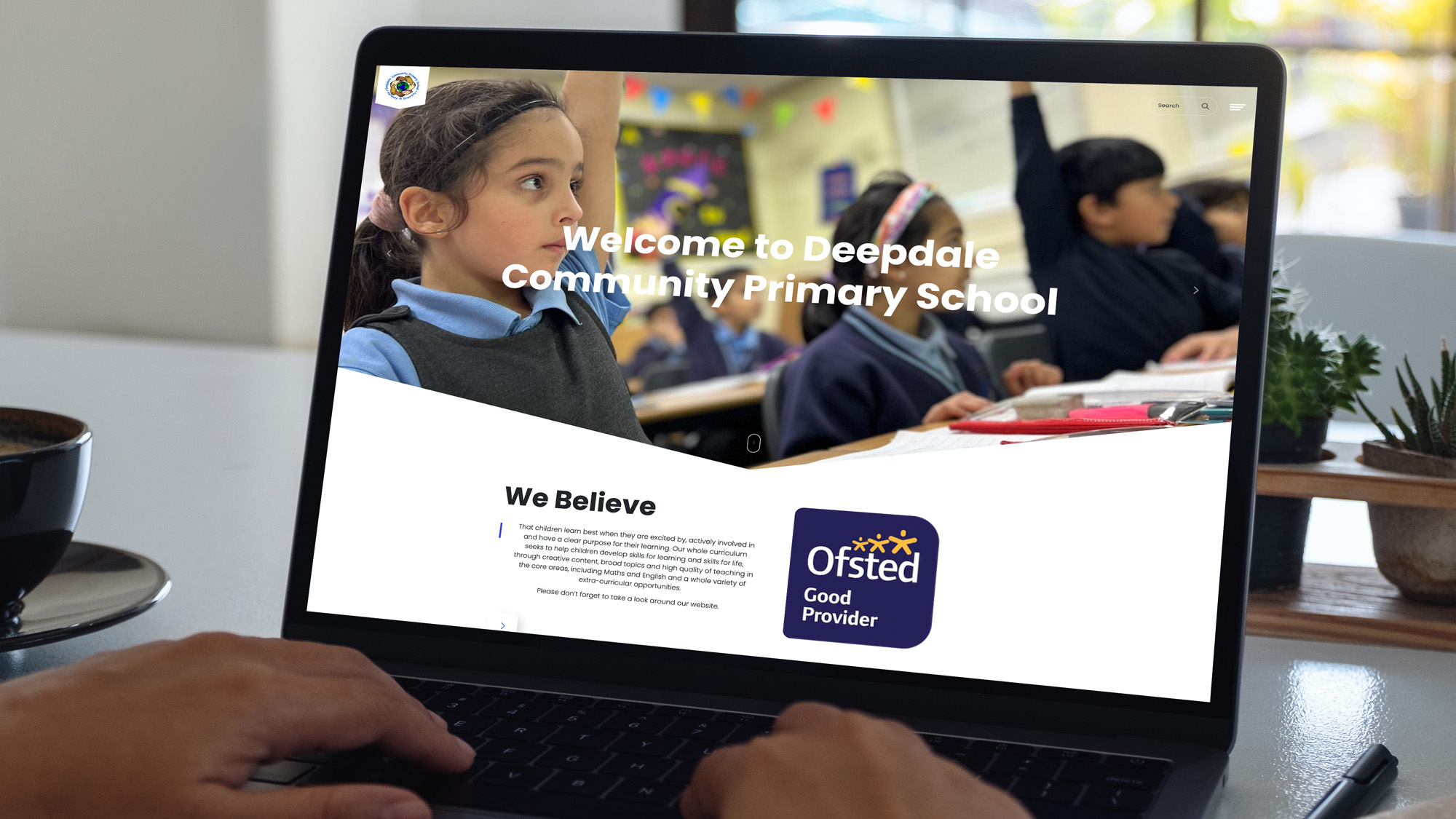
It focuses on:
- clarity
- structure
- ease of use
Parents should not have to think about where to go.
They should be guided.
For example:
- admissions should be clear and step-by-step
- contact details should be easy to find
- policies should be organised logically
Without that structure, even good content becomes difficult to use.
Technology Is Changing Expectations
Parents now expect more.
They expect:
- fast access
- mobile-friendly design
- clear communication
- regular updates
Mobile access is now essential. Mobile-first design ensures parents can access information on the go, as more than half of web traffic comes from mobile devices.
Parents are using mobile devices throughout the day, not sitting at a desktop.
A well-designed school website needs to work seamlessly across mobile devices.
At the same time, school apps are becoming a key part of the communication platform.
Apps allow:
- instant communication
- targeted updates
- reduced printing costs
- better engagement
Parentapps has helped hundreds of schools improve their engagement with parents. Their school apps improve communication and bring parents into the school community at a deeper level. Parentapps also allows parents to contact teachers directly through their school app, making it easier for families to engage with teachers and stay informed.
Parents appreciate having one trusted platform for communication. Moderated communication platforms provide a secure environment for school-related discussions among families. Parents prefer using moderated platforms for school-related matters because they are inclusive, transparent, and properly moderated. Built-in community guidelines on these platforms create natural accountability among users, and posts are held for school review before going live to prevent issues. Schools can moderate, report posts, and remove content on moderated communication platforms when needed, helping manage communication effectively and reduce the risks associated with unmoderated spaces.
They feel more connected.
Technology helps schools engage all families in education, supporting better outcomes. The support team and teachers play a key role in facilitating communication and engagement through these platforms, ensuring families are involved and informed.
Bringing Everything Together
The strongest schools are not relying on one tool.
They are connecting:
- website
- school app
- communication systems
- forms
- updates
By integrating these systems, schools can leverage data from each platform for more efficient management and improved communication.
This creates a joined-up platform. The Learning with Parents platform is designed to be inclusive and accessible on all devices.
It improves communication.
It improves engagement.
And it helps schools manage everything more efficiently.
Why This Matters
The expectations on schools have changed.
Parents expect:
- clear communication
- quick access to information
- regular updates
- a professional online presence
A strong school website plays a key role in that.
It supports:
- parental engagement
- communication
- trust
- decision-making
And it makes a huge difference to how a school is perceived.
Closing the Gap
The gap is not about effort.
It is about perspective.
Schools often build websites around:
- internal structure
- policies
- compliance
Parents use them differently.
They think in terms of:
- questions
- actions
- reassurance
Closing that gap improves everything.
By bridging this gap, schools can better equip children with the practical skills they need for the future, ensuring they are prepared for success beyond the classroom.
A Simple Shift
Instead of asking:
“What do we need to publish?”
Ask:
“What are parents trying to find?”
That one shift changes everything.
It improves:
- communication
- clarity
- engagement
- structure
Encourage your school to explore new approaches to parental engagement and incorporate fun, engaging elements into your website and communications to make the experience more enjoyable for both parents and children.
And it helps create a true school website for parents.
Looking Ahead
So far in this series, we’ve explored:
- why school website pages don’t work
- the most important pages
- why starting from a blank page causes problems
- what best practice looks like
- how a CMS should guide structure
Future posts will explore how games using everyday objects can make learning more engaging for families. For example, Learning with Parents provides offline games that can be enjoyed using objects from around children’s homes, supporting hands-on, play-based activities. We’ll also look at the importance of teaching money skills to help children develop financial literacy for future independence. Child-led videos from Learning with Parents support parents and children in using methods learnt at school, and we encourage you to watch video testimonials or examples to see the impact of these approaches.
All of this leads to one key point.
Even good content can fall short.
In the next post, we’ll look at why “good content” is not enough on a school website, and what actually makes the difference.
Because once you see that clearly, everything about how pages are built starts to change.

Related Posts

Ian Richardson
July 29, 2026
What parents look for in a school, and how your website answers it before they visit: culture, safeguarding, SEND support and clear practical information.
Ian Richardson
June 24, 2026
A school website says a lot before a parent reads a full page. Parents make ..
Luke Smith
June 24, 2026
School website news is one of the easiest ways to show parents, pupils and prospective ..

Luke Smith
June 17, 2026
A school website newsletter is one of the simplest ways to keep parents informed, make ..
Luke Smith
June 8, 2026
Good school communication makes a real difference. It helps parents know what is happening. It ..

Luke Smith
May 13, 2026
School website pupil photos have always played an important role. They help prospective parents see ..