Why a School Website Newsletter Should Be at the Centre of Your Communication
Why a School Website Newsletter Should Be at the Centre of Your Communication
Most schools already produce some form of newsletter. What is changing is how those school newsletters are created, shared, and read.
The traditional long email or PDF attachment is no longer the most effective option for many schools. Parents expect quicker access, clearer layout, and information that is easy to find again later. That is why more schools are moving to a school website newsletter approach — publishing updates directly on their website and sharing links from there.
This shift keeps communication simple, improves engagement, and builds a clear public record of what is happening across the school year.
What is a school website newsletter?
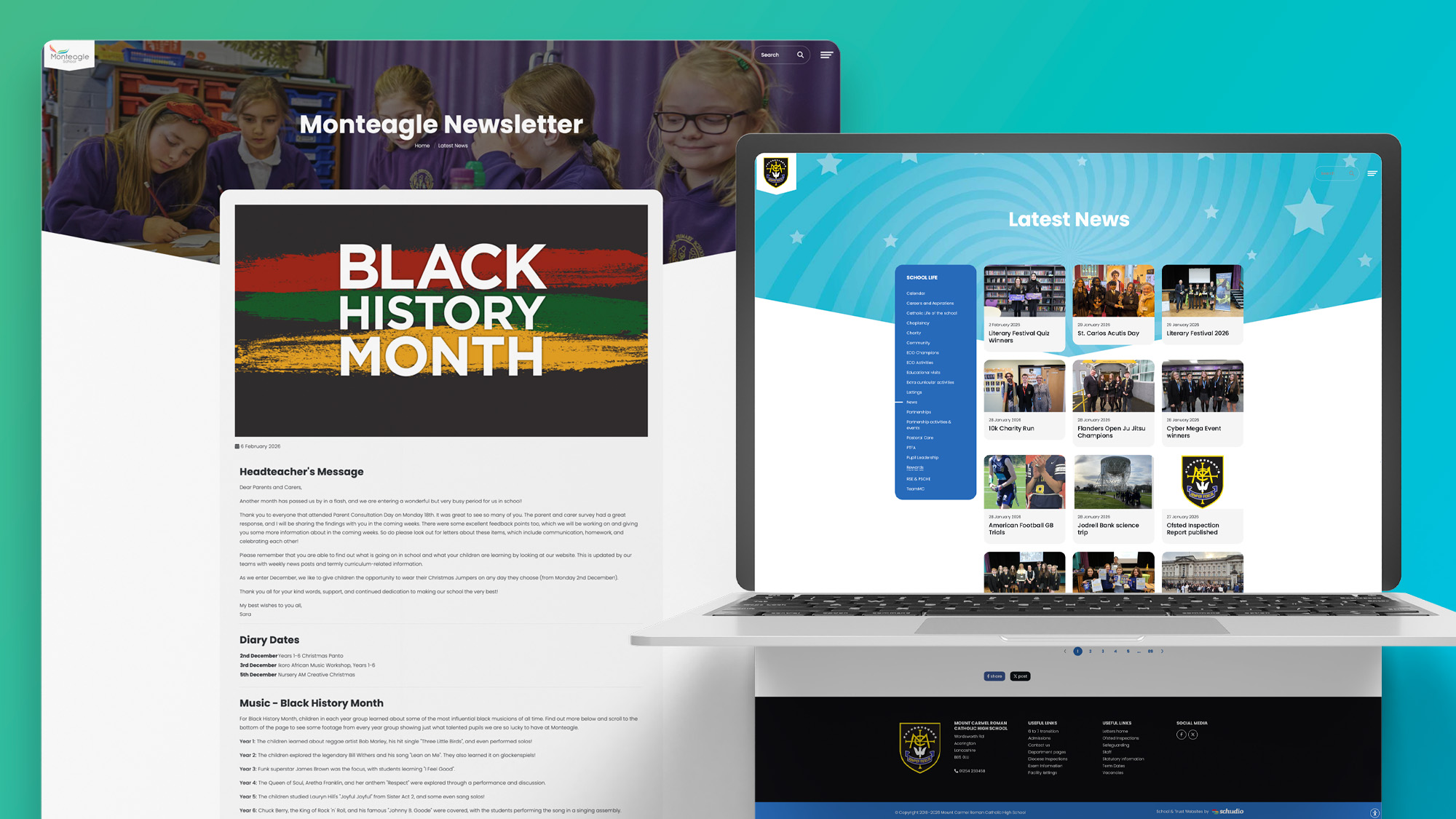
A school website newsletter is a regular update published as a news post on your website rather than a long email attachment. It sits within your website news area and becomes part of a growing archive of school newsletters that families can access at any time.
Each update can include:
- Key information for parents
- Important dates and events
- Celebrations and achievements
- Updates from across the school
- Links to further reading or booking pages
Publishing your newsletter in this way turns it into a lasting resource rather than something that disappears after one read.
Why move school newsletters onto your website?
There are several practical reasons schools are choosing to publish newsletters on their website rather than relying on email alone.
1. Your latest newsletter is always available
Parents often need to revisit information. When a latest newsletter sits on the website, it can be found quickly without searching through emails. A clear archive of school newsletters helps families check dates, announcements, and reminders whenever they need them.
A dedicated newsletter page on your website gives easy access to current and past editions. This helps new parents, prospective families, and staff see what has been happening across the year.
2. One central place for information
Publishing school newsletters on the website means you only create content once. You can then share links by email, text, or social media. This keeps everything consistent and avoids different versions circulating.
When parents click through to the website to read the newsletter, they often read more than intended. They check events, diary dates, and other information at the same time. This makes your website the centre of communication rather than just a document store.
3. Better engagement from parents
Parents are far more likely to read content that is clear, mobile-friendly, and easy to scan. A website-based newsletter can be structured with headings, bullet points, and images so that it works well on phones and tablets.
Over 40% of school emails are opened on mobile devices. A school website newsletter designed for mobile use gives parents a better experience and encourages them to read more regularly.
Consistent school newsletters also build a habit. When families know a new update appears each week or month, they begin to expect it.
What should a strong school website newsletter include?
An effective newsletter blends practical information with celebration and community updates. Most schools already have the content — it simply needs to be organised clearly.
A typical structure might include:
- A short welcome from the headteacher or principal
- Key dates and upcoming events
- News from classrooms or year groups
- Celebrations of children and students
- Important reminders or announcements
- Links to booking systems, forms, or further reading
Clear lists of events and diary dates help parents stay organised. Celebrating achievements helps families feel connected to school life. Including both keeps the newsletter balanced and useful.
Use consistent format and structure
A consistent format helps parents know where to find what they need. This might include:
- Clear headings and sections
- Short paragraphs
- Bullet points for key information
- A single-column layout that works well on mobile
- Large buttons or links that are easy to click
Keeping the format similar each week reduces workload and improves readability. Parents quickly learn where to look for key information.
AI tools can help staff shape updates into a clear format quickly. Bullet points from across the school can be turned into a structured newsletter in minutes, saving time while maintaining quality.
Integrate your newsletter with the rest of your website
A school website newsletter works best when it connects to other areas of the website.
For example:
- Link directly to the online calendar for upcoming events
- Link to booking forms for trips or meetings
- Connect to admissions or curriculum pages
- Share links to policies or letters where needed
These links make it easier for parents to take action straight away rather than searching for information elsewhere.
Social media can then be used to share a short post and link back to the full newsletter. This keeps your website as the main source of information and avoids duplicating content across platforms.
Celebrate school life consistently
Regular school newsletters help show what daily life looks like across the school. Photos, stories, and updates give families a sense of what children and students are experiencing each week.
Including student work, artwork, poems, or achievements can make newsletters more engaging. Celebrating successes of individuals and groups builds pride and connection across the community.
Over time, a steady flow of news creates a strong picture of the school for prospective families and staff.
Accessibility and inclusion matter
A digital school website newsletter should be accessible to all families. Using plain language helps ensure information is clear for everyone, including those with English as an additional language.
Images should include descriptive alternative text for accessibility. Newsletters should remain easy to read on mobile devices and tablets. Families who cannot access digital content should be able to request a printed copy.
Publishing newsletters on the website supports accessibility by keeping everything in one easy-to-find location.
Compliance and data protection
School newsletters should always follow GDPR expectations. Avoid sharing unnecessary personal information and check permissions for photos. Publishing on the website allows content to be updated quickly if changes are needed.
Keeping all newsletters in one secure location also supports good information management.
Frequency and consistency
Reliability builds engagement. Whether you publish each week or once a month, consistency matters more than length.
Choose a schedule that works for your team and maintain it across the year. Regular school newsletters keep parents informed about events, key information, and everyday school life.
Monitoring website analytics can help identify which stories parents read most often. This can guide future content and keep newsletters relevant.
Why a school website newsletter makes sense in 2026
Parents’ expectations of a digital newsletter have changed. They expect content that is easy to read on a phone, simple to navigate, and available at any time.
A school website newsletter meets all of these needs. It keeps information accessible, celebrates success, and supports strong communication without creating unnecessary workload.
By publishing newsletters directly on your website and sharing links from there, schools create a clear, consistent approach that supports parents, staff, and the wider community throughout the year.