School Website Design:

A Complete Guide for UK Schools and Trusts

Your school website is often the first impression parents, students, and staff have of your institution. In today’s digital world, a well-designed school website serves as much more than an online brochure – it’s your digital front door, communication hub, and showcase for your school’s values and achievements. Including engaging media like high-quality images and videos can further enhance the website by showcasing the school environment and achievements.

Primary School

Website Design

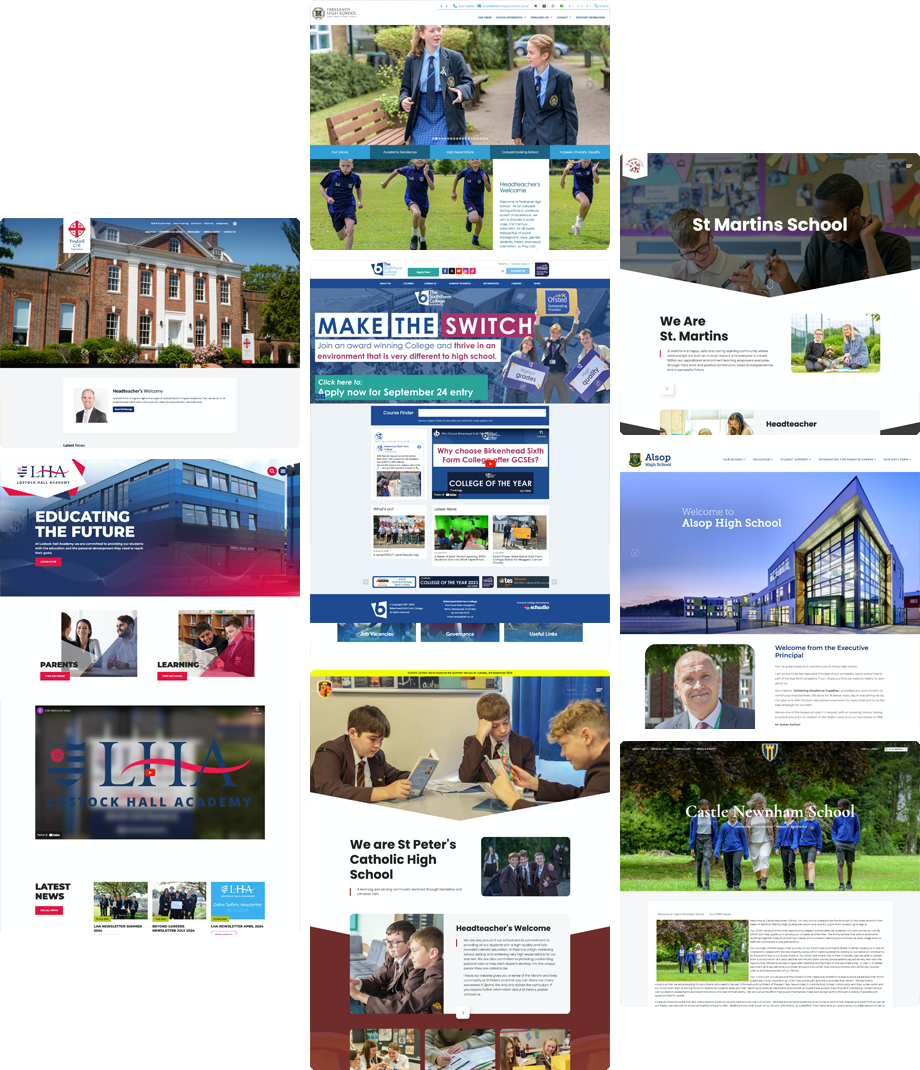
High School

Website Design

Special School

Website Design

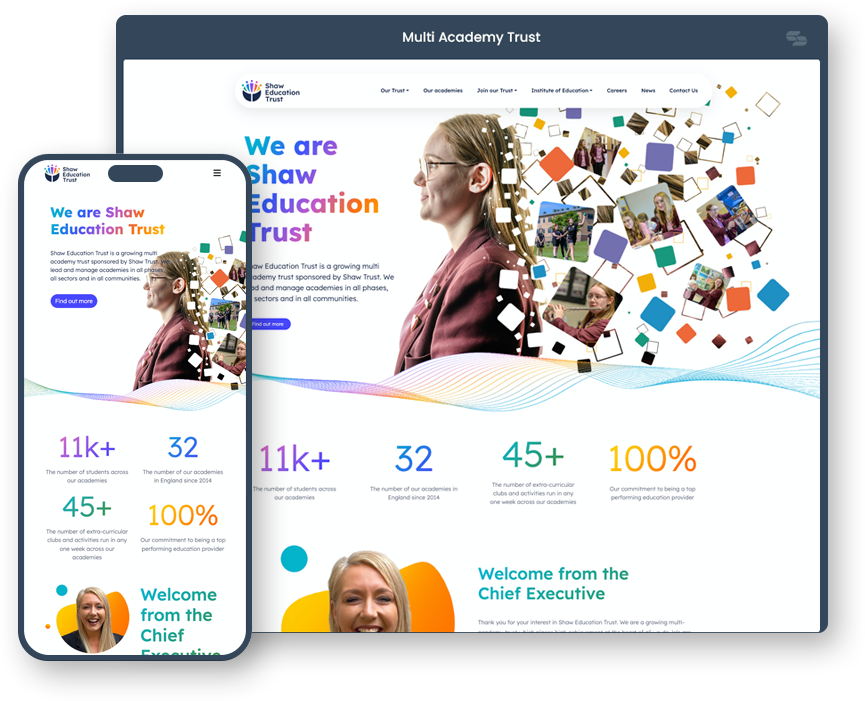
Multi Academy Trust

Website Design

Whether you’re a primary school looking to engage with prospective parents, or part of multi academy trusts managing multiple sites, getting your school website design right is essential. This complete guide walks you through everything you need to know about creating and managing an effective school website that serves your entire community.

What Makes a Good School Website Design

A successful school website strikes the perfect balance between visual appeal and practical functionality. Your site needs to work seamlessly for busy school staff who update content regularly, while also creating a positive impression for visitors discovering your school for the first time. Using a clean layout with white space and clear headings can significantly improve content readability and user experience.
Clear navigation, mobile-friendly design, and easy access to essential information.

The foundation of effective school web design rests on three core principles: clear navigation, mobile-friendly design, and easy access to essential information. When parents search for school events on their mobile phones during the school run, or teachers need to quickly upload policy documents, your website should work perfectly regardless of screen size or user experience level. Designing websites to be fully responsive is crucial, as over half of web traffic comes from mobile devices.

Supports school communication and parental engagement

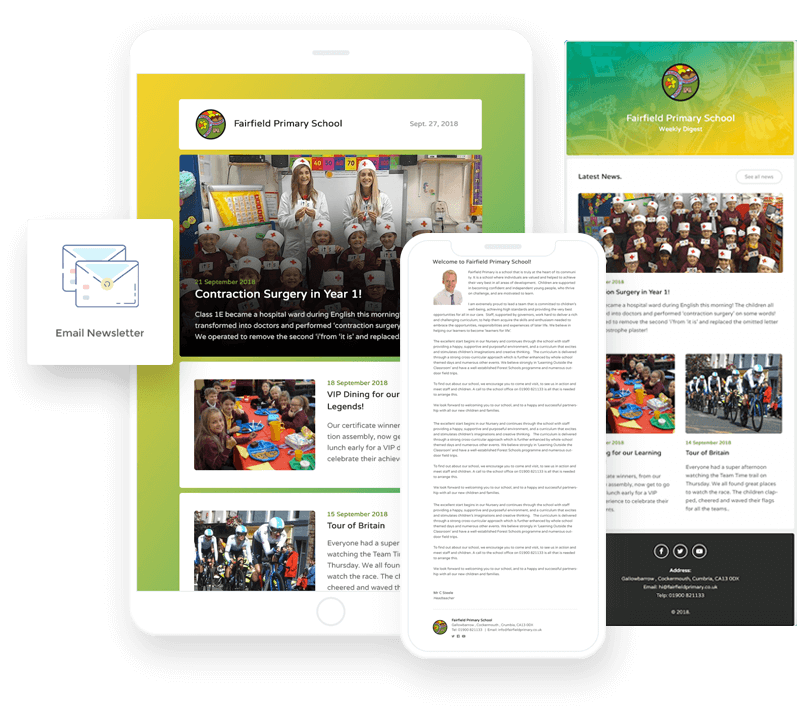
Good design directly supports school communication and parental engagement. A well-organised site helps prospective parents find admission information quickly, enables current families to stay updated on school events, and allows staff to access resources efficiently. Your school branding should shine through the design whilst maintaining the professional standards that parents and the wider school community expect. A centralized calendar that allows users to sync events to their personal calendars is crucial for effective communication.

Include everything on the homepage

The most successful school websites avoid the common trap of trying to include everything on the homepage. Instead, they prioritise the most important information and create intuitive pathways for different user groups. This approach reduces cognitive load and ensures visitors can navigate to their destination without frustration. Featuring important announcements and a school calendar prominently on the homepage helps keep information up to date and easily accessible.

Essential Features Your School Website Needs

Every school website should include core pages that serve your school community’s daily needs. These include comprehensive admissions information, an up-to-date calendar of school events, essential policy documents, and clear contact details for different departments. These aren’t just nice-to-have features – they’re fundamental requirements that determine whether your website truly supports your school’s operations.

A user-friendly content management system

A user-friendly content management system forms the backbone of any effective school website. Your CMS should be intuitive enough that any staff member can update content without technical training. The best systems for schools feature simple editing tools, automatic mobile optimisation, and robust security features that protect sensitive information whilst remaining accessible to authorised users.

Responsive design

Responsive design ensures your website works beautifully across all devices. With parents, students, and staff accessing websites from smartphones, tablets, and desktop computers, your site must adapt seamlessly to different screen sizes. This isn’t just about appearance – functionality must remain consistent whether someone’s checking term dates on their mobile or downloading documents on a computer.

Secure areas

Secure areas are essential for protecting sensitive information whilst providing convenient access for authorised users. Staff need access to internal resources, governor documents, and may also wish to share engaging school videos with their community, all whilst maintaining strict security standards. The right solution creates password-protected sections that are easy for legitimate users to access but impenetrable to unauthorised visitors.

Accessibility features

Accessibility features aren’t optional – they’re legal requirements under UK equality legislation. Your website must work with screen readers, provide alternative text for images, maintain sufficient colour contrast, and support keyboard navigation. These features benefit everyone, not just users with specific accessibility needs, by creating a more intuitive and user-friendly experience across your entire site.

The School Website Design Process

Working with a specialist web design company should feel collaborative and supportive, not overwhelming. The best providers understand that school staff have demanding schedules and need a process that works around their commitments whilst delivering exceptional results.

The process begins with building a site that looks beautiful and reflects who the school is. This involves understanding your school’s unique character, values, and visual identity, then translating these into a design that resonates with your school community. The design process considers both aesthetic appeal and practical functionality, ensuring the end result serves your school’s specific needs.

Planning and Discovery

The initial consultation phase focuses on understanding your school’s specific needs, goals, and current challenges with your existing website. This involves conversations with different stakeholders – from the headteacher’s strategic vision to admin staff’s daily operational requirements and governors’ oversight concerns.

Reviewing your existing website identifies what currently works well and what needs improvement. This analysis considers both user feedback and website analytics to understand how your school community actually uses the site. The discovery process also examines your current content management system capabilities and identifies any technical limitations holding back your school’s digital communication.

Setting realistic timescales and budgets ensures the project progresses smoothly without creating additional pressure on school staff. Professional web design companies understand the education sector’s budget cycles and work within these constraints whilst delivering high-quality results.

Design and Development

Creating visual designs that reflect your school’s identity and values requires understanding what makes your institution unique. This involves exploring your school branding, reviewing existing marketing materials, and understanding how you want to present your school to different audiences. The design development process creates multiple concepts that stakeholders can review and refine.

Building a prototype allows testing functionality before going live with the complete website. This approach identifies potential issues early and ensures the final product meets all requirements. Prototyping also provides opportunities for staff to experience the new content management system and provide feedback before full implementation.

Testing across different browsers and devices ensures your website works perfectly regardless of how visitors access it. This comprehensive testing covers everything from the latest smartphones to older desktop computers, ensuring no member of your school community faces barriers to accessing important information.

Training and Launch

Staff training on the new website management system should be comprehensive yet accessible. The best training programmes accommodate different learning styles and experience levels, ensuring every team member feels confident updating and managing website content. Training should cover both basic operations and advanced features that can enhance your school’s digital communication.

A gradual launch process minimises disruption to your school’s ongoing communications. Rather than switching everything overnight, professional implementation involves careful timing, backup systems, and contingency planning. This approach ensures important information remains accessible throughout the transition period.

Post-launch support helps staff feel confident using the new system and addresses any questions that arise during the initial weeks of operation. This support should be easily accessible and provided by people who understand both the technical aspects of website management and the practical realities of working in schools.

Choosing the Right Web Design Partner

Working with education specialists makes an enormous difference to your website project’s success. Companies that focus on the education sector understand the unique requirements schools face, from safeguarding considerations to the seasonal nature of school communications. They’re familiar with the terminology, regulations, and workflows that make schools different from other organisations.

Evaluating potential web design companies

When evaluating potential web design companies, ask specific questions about their school experience. How many school websites have they created? Can they provide references from similar institutions? Do they understand UK education sector requirements? The right partner should demonstrate deep knowledge of school-specific needs rather than treating education as just another industry.

Understanding different pricing models

Understanding different pricing models helps you make informed decisions about your investment. Some companies offer package-based pricing with clearly defined features, whilst others prefer project-based pricing tailored to specific requirements. Consider what’s included in ongoing support – hosting, maintenance, content updates, and technical assistance should all be clearly defined upfront.

Checking the quality of work and the experience

Checking references and examples provides insight into both the quality of work and the experience of working with the company. Contact other schools that have worked with your potential partner and ask about their experience throughout the entire process. Look for examples that demonstrate experience with institutions similar to yours in size and complexity.

Ensuring they understand school-specific requirements

Ensuring they understand school-specific requirements like safeguarding and data protection is non-negotiable. Your web design partner should demonstrate clear knowledge of requirements affecting schools, including GDPR compliance, accessibility legislation, and safeguarding considerations for any features involving children or family information.

Managing Your Website After Launch

Building confidence in your team to make regular updates and changes ensures your website remains current and useful. The best content management systems are intuitive enough that staff can update information without fear of breaking anything. Regular small updates are far more effective than occasional major overhauls, keeping information fresh whilst building team confidence with the system.

Creating a content schedule

Creating a content schedule helps maintain consistency and ensures important information updates happen reliably. This might include weekly newsletter uploads, monthly event calendar updates, and termly policy reviews. A clear schedule prevents important updates from being forgotten during busy periods and distributes the workload across your team.

Regular maintenance tasks

Regular maintenance tasks keep your website secure and running smoothly. While your web design partner should handle technical maintenance, school staff need to understand their role in maintaining content quality, checking for broken links, and reporting any issues promptly. This collaborative approach ensures optimal website performance.

Using website analytics

Using website analytics helps understand how parents and students use your site. Simple analytics can reveal which pages are most popular, how long visitors spend reading different content, and where they encounter difficulties. This information guides future improvements and helps prioritise content updates based on actual user behaviour rather than assumptions.

Planning for future improvements and additional features

Planning for future improvements and additional features ensures your website continues serving your school’s evolving needs. Technology changes rapidly, and your website should adapt accordingly. Regular reviews with your web design partner can identify opportunities for enhancement and ensure your site remains current with latest technology and user expectations.

Common Challenges and How to Avoid Them

Preventing websites from becoming outdated requires establishing clear processes for regular content updates. The most common problem schools face is websites that slowly become less useful as information becomes stale. Creating simple, sustainable processes for content maintenance prevents this decline and ensures your website continues serving your community effectively.
Ensuring all staff feel comfortable using the CMS

Ensuring all staff feel comfortable using the content management system requires ongoing support and encouragement. Some team members may initially feel intimidated by website management, but with proper training and support, most staff can confidently handle basic content updates. Creating simple guides and providing patient assistance helps build this confidence over time.

Balancing comprehensive information

Balancing comprehensive information with simple, clear navigation requires careful information architecture. Schools naturally want to provide detailed information about their offerings, but too much information can overwhelm visitors and make essential details harder to find. The solution involves creating clear pathways to detailed information whilst keeping core navigation simple and intuitive.

Meeting accessibility requirements

Meeting accessibility requirements without compromising on design is entirely achievable with proper planning. Modern web design techniques allow beautiful, engaging websites that fully comply with accessibility legislation. Working with experienced designers who understand accessibility requirements ensures compliance enhances rather than constrains your website’s visual appeal.

Managing costs

Managing costs while getting the functionality your school actually needs requires clear communication about priorities and requirements. The most expensive solution isn’t always the best solution for your specific circumstances. Focus on identifying the features that will genuinely benefit your school community rather than pursuing every available option. A well-designed, simple website that serves your actual needs will always outperform a complex system that’s difficult to use.

Understanding the complete web design process

Understanding the complete web design process, from initial planning through ongoing management, helps schools make informed decisions about their digital presence. Your school website represents a significant investment in communication with your entire community – parents, students, staff, and the broader local area. Getting this investment right supports everything from daily operations to long-term growth and development.

The education sector continues evolving

The education sector continues evolving, and your website should evolve with it. Whether you’re a single primary school or part of large multi academy trusts, the principles remain the same: focus on your users’ needs, maintain high-quality content, and work with partners who understand the unique requirements of modern education. With the right approach, your school website becomes a powerful tool that genuinely supports your institution’s mission and serves your community effectively for years to come.

Trusted by 1000s schools all year round.