Multi Academy Trust Inspections: What’s Changing and What It Means for Trust Leadership and Websites
Multi Academy Trust Inspections: What’s Changing and What It Means for Trust Leadership and Websites

Multi academy trust inspections mark a significant shift in how academy trusts are viewed within the education system in England. For many years, inspection activity focused almost entirely on individual schools. Trusts influenced outcomes, yet formal inspection of the academy trust itself remained limited.
That position is now changing.
The Government has confirmed plans to introduce inspection of multi academy trusts, moving from voluntary evaluation into a formal inspection system. This change sits within a wider programme of reform aimed at raising educational standards, strengthening leadership and governance, and building a more transparent school system that gives parents and communities greater confidence.
For trust leaders, this development raises practical and strategic questions about readiness, oversight and evidence. One area that is becoming increasingly visible in this context is the trust’s digital and public-facing presence, particularly school and trust websites.
What are multi academy trust inspections?
Multi academy trust inspections introduce independent scrutiny of academy trusts as organisations, rather than relying solely on the inspection outcomes of individual academies.
Under the proposed inspection system, inspectors will assess leadership, governance and impact at trust level. This includes how effectively trusts improve schools, support staff, use resources responsibly and promote pupil wellbeing across all academies within the trust.
The intention is not to duplicate school inspections. Instead, the focus is on how well the trust functions as a system, how key decisions are made, and how those decisions translate into improved outcomes for children and young people.
Why the inspection model is changing
Multi academy trusts now play a central role in education delivery. High quality academy trusts oversee key decisions that shape children’s education, including curriculum design, staffing, safeguarding approaches and resource allocation.
The Government has been clear that this growing influence needs appropriate oversight. The introduction of trust inspection reflects a belief that strong collaboration through high quality trusts is one of the most effective ways to secure better outcomes for children, especially those with the greatest needs.
Trust inspections are intended to recognise excellence, support improvement and provide fair accountability across the system. They form part of a broader national renewal agenda focused on renewing public services and raising standards in education.
The role of the Schools Bill and wider reform
The move toward multi academy trust inspections links closely to the Schools Bill and the Children’s Wellbeing and Schools Bill. These reforms introduce new intervention powers for situations where trusts do not meet acceptable standards.
Under the proposed framework, the Education Secretary will have powers to intervene when necessary. This includes moving academies to stronger trusts or terminating academy agreements in cases of sustained failure.
Education Secretary Bridget Phillipson has described the reforms as a way to strengthen accountability, recognise trusts doing strong work, and protect children’s wellbeing and educational outcomes. The focus remains on support improvement, not punishment.
How trust inspections are expected to work
The inspection approach builds on existing MAT Summary Evaluations, often referred to as MATSEs. These evaluations currently assess leadership, governance and the trust’s impact on its schools through a narrative letter rather than a single grade.
The inspection process draws evidence from two main stages:
- Stage 1: inspection of a group of academies within the trust over one or two terms
- Stage 2: on-site trust visits, including meetings with central leaders at trust headquarters
Inspectors examine how the trust identifies weaknesses, supports improvement, uses funding ethically and promotes inclusive practice. This includes attention to safeguarding, SEND provision and pupil wellbeing.
By 2027, these evaluations are expected to become mandatory trust inspections with clearer intervention powers where standards are not met.
What inspectors are likely to focus on
Trust inspections will focus on leadership, governance and impact. Inspectors will assess how effectively trusts improve schools, raise standards and support staff across the trust.
This includes consideration of:
- how decisions are made and communicated
- how consistency is achieved across academies
- how resources are deployed to improve outcomes
- how pupil wellbeing is promoted and protected
- how the trust responds when schools fall below acceptable standards
The goal is to celebrate excellence, recognise strong schools working together and shine a light on trusts that play a wider role in supporting improvement across the system.
Why websites matter within trust inspection
Trust inspections are not website audits. However, websites form part of the public evidence inspectors and stakeholders can see.
Trust and school websites reflect governance arrangements, safeguarding practice, financial transparency and leadership culture. They offer insight into how well a trust manages consistency across academies and how clearly expectations are set.
Under multi academy trust inspections, inspectors may reasonably ask:
- Are trust-wide policies applied consistently across academies?
- Is governance information clear and accessible?
- Can the trust demonstrate oversight of statutory requirements?
- Is information presented in a way that supports parents and communities?
Gaps across multiple sites can indicate weaknesses in oversight, even where individual schools are working hard.
Common issues trusts are identifying
As trusts begin preparing for inspection, similar website-related challenges tend to emerge:
- outdated trust policies still published on some school sites
- governance information buried or inconsistent
- financial information difficult to locate
- accessibility problems linked to legacy documents
- limited central visibility of compliance across academies
These issues rarely stem from lack of effort. They usually reflect stretched capacity and unclear ownership between trust and school level.
From compliance task to leadership evidence
One of the most important shifts trusts are making is cultural.
Website compliance is moving away from being treated as an isolated admin task and towards being seen as part of leadership and governance evidence. This does not require identical websites or heavy central control. It requires clarity, shared standards and quiet oversight.
Stronger trusts tend to:
- define what must be published across all schools
- agree where key information should sit
- review compliance regularly, not reactively
- support schools early rather than stepping in late
This approach reduces pressure on schools and builds greater confidence at trust level.
A balanced approach to accountability
A recurring concern raised by sector bodies, including voices linked to the Local Government Association’s children and families committee, relates to workload. Trust inspections need to provide independent scrutiny without adding unnecessary burden to school leaders.
The inspection framework aims to strike that balance by focusing on systems, leadership and impact rather than creating new layers of reporting.
The intention is a supportive trust-focused model that promotes pupil wellbeing, recognises excellence and helps ensure no child is overlooked.
What trusts can do now
Preparation for multi academy trust inspections does not mean wholesale restructuring.
Practical steps include:
- reviewing trust-wide expectations for websites
- identifying areas of higher compliance risk
- improving central visibility of school sites
- supporting schools with clear guidance and shared resources
These actions strengthen governance and support improvement regardless of inspection timelines.
Looking ahead
Multi academy trust inspections represent a formal recognition of the role trusts play in delivering education across England. They bring greater transparency, fair accountability and a clearer focus on outcomes for children. For trusts, this is an opportunity to demonstrate leadership, celebrate excellence and build stronger systems that support schools to succeed.
Websites sit quietly within that picture. They are not the inspection. They are part of the evidence. If you’d like to learn more about how to maintain exceptional standards of compliance across the schools in your trust, join us for one of our Website Compliance for Multi Academy Trusts Workshops, which run throughout the year.
Handled well, they help tell a story of strong leadership, effective governance and a trust that knows its schools.

Related Posts

Ian Richardson
August 25, 2026
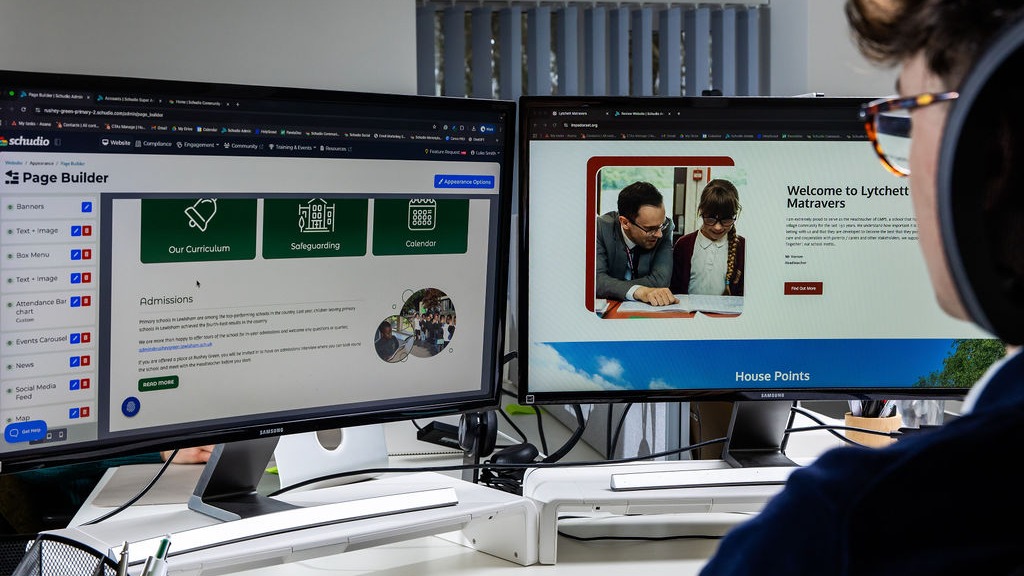
The school website mistakes we find most often in compliance audits, what the rules actually say, and a practical checklist for fixing each one this term.
Ian Richardson
August 17, 2026
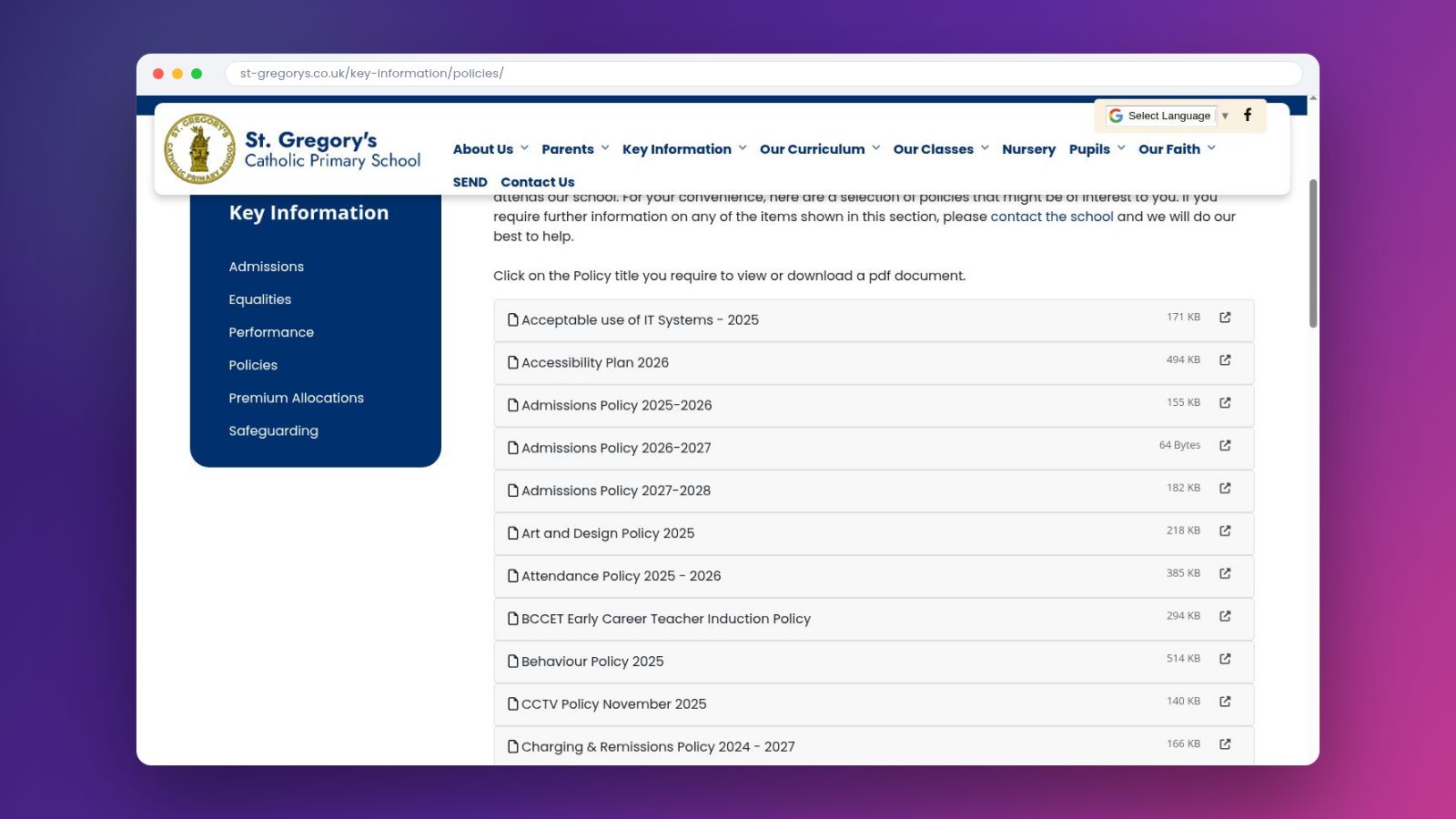
Only 6.5% of school websites we audited were fully compliant. A school website compliance checklist plus the year-round routine that keeps you always ready.
Ian Richardson
August 10, 2026
Only 6.5% of school websites we audited in 2025 were fully compliant. What our data shows, what changed for September 2026, and how to stay always ready.
Ian Richardson
July 14, 2026
Publishing an allergy safety policy on your school website became a legal duty on 1 September 2026. What the law now requires, and what that date really means.

Ian Richardson
July 9, 2026
Your school website is the public front door to your school. It is where ..

Ian Richardson
June 1, 2026
School website policies are one of the most important parts of a school website, but ..